The shifting future of psychosocial safety
Suggestions that psychosocial elements have become over-complicated
Karma Barndon
Journalist, Australia's Mining Monthly
The shifting future of psychosocial safety
Suggestions that psychosocial elements have become over-complicated
Karma Barndon
Journalist, Australia's Mining Monthly
The shifting future of psychosocial safety
Suggestions that psychosocial elements have become over-complicated
Karma Barndon
Journalist, Australia's Mining Monthly
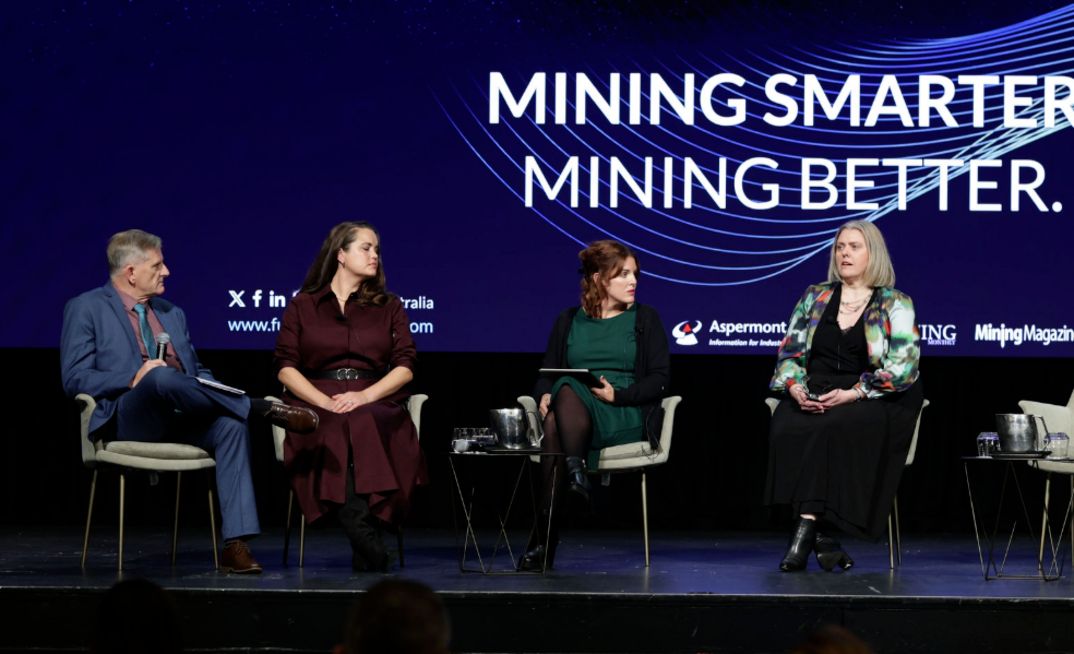
The FOM 2026 panel. | Credits: Blue Apple
The FOM 2026 panel. | Credits: Blue Apple
The FOM 2026 panel. | Credits: Blue Apple
Psychosocial safety has become the buzz word of 2026 and beyond, and the next frontier of operational risk in the mining sector.
Lifeline chief executive officer Natalie Martinovich told the Future of Mining Australia 2026 that the societal order had shifted and while it was not specific to the mining industry, conditions in mining "absolutely" exacerbated things.
She said in the past four months, mental health as a topic increased by 10% and had become the most mentioned topic when people called Lifeline in crisis.
"People are telling us that their work demands are really impacting their mental health, and there's a real intensity behind those calls and the acuity behind that distress is feeling like it's increasing," Martinovich said.
"And that's not expected to change anytime soon."
FIFO Family project founder Vicki Pellowe said the pressures of everyday life really impacted the workforce and the families that supported them, especially in mining.
She said those psychosocial risks common to fly-in, fly-out workers also affected their families.
"They're spending a long time in camps with sometimes limited connectivity, so they are feeling increasingly isolated," Pellowe said.
"And the family at home are experiencing the same isolation and the same pressures."
Pellowe said the industry needed to be better at supporting the families.
"People don't reach out for help early because we tell them to, they reach out when they feel safe to do so," she said.
"It's about creating that safe environment."
Social worker Victoria Glassey pointed out that it was not just workers feeling the pressure, it was managers and leaders too.
With a background in the British Navy, Glassey knows the value of good leadership.
"Leaders are accountable not just for the equipment or the mission, but for the readiness of their people, and that includes their support network" she said.
"If fatigue is building or morale is deteriorating, or if operational pressure is unsustainable, that is a leadership issue."
Glassey reckons the psychosocial elements have become overcomplicated.
"We all know we need to look after our physical and mental health but how do we measure that?" she asked.
Pellowe said a lot was put on leaders but they needed to show that it was safe to speak up and be vulnerable themselves.
"We also need to equip our leaders, who are people just like us who may not have the tools, the language, the capability to have the conversations for themselves or with their people," she said.
The panellists all agreed that there was no cookie cutter responses to psychosocial safety, as each workplace was unique.
They also came to the consensus that companies need to get curious, ask the questions, roll with the vulnerability and work together.
Given psychosocial safety is considered the next frontier of mining, the question companies should be asking is not whether they can afford to invest in it, but whether they can afford not to.
Psychosocial safety has become the buzz word of 2026 and beyond, and the next frontier of operational risk in the mining sector.
Lifeline chief executive officer Natalie Martinovich told the Future of Mining Australia 2026 that the societal order had shifted and while it was not specific to the mining industry, conditions in mining "absolutely" exacerbated things.
She said in the past four months, mental health as a topic increased by 10% and had become the most mentioned topic when people called Lifeline in crisis.
"People are telling us that their work demands are really impacting their mental health, and there's a real intensity behind those calls and the acuity behind that distress is feeling like it's increasing," Martinovich said.
"And that's not expected to change anytime soon."
FIFO Family project founder Vicki Pellowe said the pressures of everyday life really impacted the workforce and the families that supported them, especially in mining.
She said those psychosocial risks common to fly-in, fly-out workers also affected their families.
"They're spending a long time in camps with sometimes limited connectivity, so they are feeling increasingly isolated," Pellowe said.
"And the family at home are experiencing the same isolation and the same pressures."
Pellowe said the industry needed to be better at supporting the families.
"People don't reach out for help early because we tell them to, they reach out when they feel safe to do so," she said.
"It's about creating that safe environment."
Social worker Victoria Glassey pointed out that it was not just workers feeling the pressure, it was managers and leaders too.
With a background in the British Navy, Glassey knows the value of good leadership.
"Leaders are accountable not just for the equipment or the mission, but for the readiness of their people, and that includes their support network" she said.
"If fatigue is building or morale is deteriorating, or if operational pressure is unsustainable, that is a leadership issue."
Glassey reckons the psychosocial elements have become overcomplicated.
"We all know we need to look after our physical and mental health but how do we measure that?" she asked.
Pellowe said a lot was put on leaders but they needed to show that it was safe to speak up and be vulnerable themselves.
"We also need to equip our leaders, who are people just like us who may not have the tools, the language, the capability to have the conversations for themselves or with their people," she said.
The panellists all agreed that there was no cookie cutter responses to psychosocial safety, as each workplace was unique.
They also came to the consensus that companies need to get curious, ask the questions, roll with the vulnerability and work together.
Given psychosocial safety is considered the next frontier of mining, the question companies should be asking is not whether they can afford to invest in it, but whether they can afford not to.
Psychosocial safety has become the buzz word of 2026 and beyond, and the next frontier of operational risk in the mining sector.
Lifeline chief executive officer Natalie Martinovich told the Future of Mining Australia 2026 that the societal order had shifted and while it was not specific to the mining industry, conditions in mining "absolutely" exacerbated things.
She said in the past four months, mental health as a topic increased by 10% and had become the most mentioned topic when people called Lifeline in crisis.
"People are telling us that their work demands are really impacting their mental health, and there's a real intensity behind those calls and the acuity behind that distress is feeling like it's increasing," Martinovich said.
"And that's not expected to change anytime soon."
FIFO Family project founder Vicki Pellowe said the pressures of everyday life really impacted the workforce and the families that supported them, especially in mining.
She said those psychosocial risks common to fly-in, fly-out workers also affected their families.
"They're spending a long time in camps with sometimes limited connectivity, so they are feeling increasingly isolated," Pellowe said.
"And the family at home are experiencing the same isolation and the same pressures."
Pellowe said the industry needed to be better at supporting the families.
"People don't reach out for help early because we tell them to, they reach out when they feel safe to do so," she said.
"It's about creating that safe environment."
Social worker Victoria Glassey pointed out that it was not just workers feeling the pressure, it was managers and leaders too.
With a background in the British Navy, Glassey knows the value of good leadership.
"Leaders are accountable not just for the equipment or the mission, but for the readiness of their people, and that includes their support network" she said.
"If fatigue is building or morale is deteriorating, or if operational pressure is unsustainable, that is a leadership issue."
Glassey reckons the psychosocial elements have become overcomplicated.
"We all know we need to look after our physical and mental health but how do we measure that?" she asked.
Pellowe said a lot was put on leaders but they needed to show that it was safe to speak up and be vulnerable themselves.
"We also need to equip our leaders, who are people just like us who may not have the tools, the language, the capability to have the conversations for themselves or with their people," she said.
The panellists all agreed that there was no cookie cutter responses to psychosocial safety, as each workplace was unique.
They also came to the consensus that companies need to get curious, ask the questions, roll with the vulnerability and work together.
Given psychosocial safety is considered the next frontier of mining, the question companies should be asking is not whether they can afford to invest in it, but whether they can afford not to.
Westgold Resources health and safety manager Nathan Rooney shared a handy anecdote.
He said mining was a risky industry and hand safety was a big issue, because sometimes miners put their hands in risky spaces.
That is not as a personal choice but rather because the system demanded it.
Rooney said a campaign around the actual risks that miners faced on site was welcomed by workers and helped reduce hand injuries on the site.
Westgold Resources health and safety manager Nathan Rooney shared a handy anecdote.
He said mining was a risky industry and hand safety was a big issue, because sometimes miners put their hands in risky spaces.
That is not as a personal choice but rather because the system demanded it.
Rooney said a campaign around the actual risks that miners faced on site was welcomed by workers and helped reduce hand injuries on the site.
Westgold Resources health and safety manager Nathan Rooney shared a handy anecdote.
He said mining was a risky industry and hand safety was a big issue, because sometimes miners put their hands in risky spaces.
That is not as a personal choice but rather because the system demanded it.
Rooney said a campaign around the actual risks that miners faced on site was welcomed by workers and helped reduce hand injuries on the site.
This insight is brought to you by Australia's Mining Monthly. Explore more mining industry news, trends and expert analysis at Australia's Mining Monthly
This insight is brought to you by Australia's Mining Monthly. Explore more mining industry news, trends and expert analysis at Australia's Mining Monthly
This insight is brought to you by Australia's Mining Monthly. Explore more mining industry news, trends and expert analysis at Australia's Mining Monthly
Terms and Conditions | Privacy Policy | Cookie Policy
Copyright © 2026 Aspermont Ltd. All rights reserved.
Address: Level 33, 152-158 St Georges Terrace, Perth WA 6000
ABN: 66 000 375 048
Terms and Conditions | Privacy Policy | Cookie Policy
Copyright © 2026 Aspermont Ltd. All rights reserved.
Address: Level 33, 152-158 St Georges Terrace, Perth WA 6000
ABN: 66 000 375 048
Terms and Conditions | Privacy Policy | Cookie Policy
Copyright © 2026 Aspermont Ltd. All rights reserved.
Address: Level 33, 152-158 St Georges Terrace, Perth WA 6000
ABN: 66 000 375 048