HOP to it at FoM 2026
HOP is trending in the health and safety space and has crept into most workplaces
Karma Barndon
Journalist, Australia's Mining Monthly
HOP to it at FoM 2026
HOP is trending in the health and safety space and has crept into most workplaces
Karma Barndon
Journalist, Australia's Mining Monthly
HOP to it at FoM 2026
HOP is trending in the health and safety space and has crept into most workplaces
Karma Barndon
Journalist, Australia's Mining Monthly
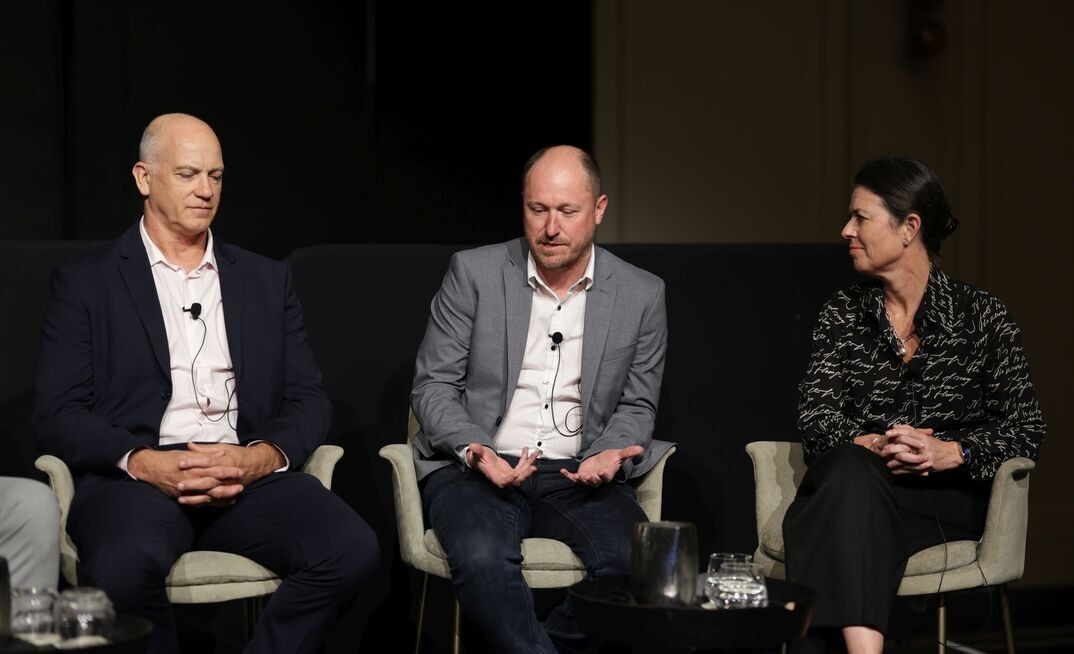
David Hynes (left), Matt Collier and Elizabeth Imbert at FoM Australia 2026. | Credits: Aspermont
David Hynes (left), Matt Collier and Elizabeth Imbert at FoM Australia 2026. | Credits: Aspermont
David Hynes (left), Matt Collier and Elizabeth Imbert at FoM Australia 2026. | Credits: Aspermont
What does it take to build a culture where learning replaces blame?
Do Human and Organisational Performance principles drive safer outcomes and empower teams to adapt and improve?
What is HOP anyway?
Put simply, the five core HOP principles are:
- People make mistakes;
- Blame fixes nothing;
- Context drives behaviour;
- Learning is vital; and
- Response matters.
According to panellists at Future of Mining 2026 Perth, HOP is trending in the health and safety space and has crept into most of the work they do.
IGO head of health, safety, environment Matt Collier said the basic premise was about moving away from blame and fostering an environment of curiosity, learning and continuous improvement.
Collier said HOP was not just about one program, it was the practice of learning from other people.
BHP technical manager Elizabeth Imbert said there were real productivity gains to be had with HOP.
While companies often talk about having a "just culture", there are things that get in the way.
Imbert said when just culture was spoken about, people defined it very differently to what its true intent was.
"I've seen examples where the end of an investigation involves going through the just culture decision tree," she said.
The opportunity to hold people accountable had to involve a HR framework, Imbert said.
Mining and Automotive Skills Alliance principal industry engagement advisor David Hynes said in the skills training space, it was a constant struggle to embed capability and growth, especially when it came to inexperienced and young workers.
"I think coaching is absolutely key," he said.
"And more conversations on daily basis, particularly two-way conversations that show the value of that information."
Hynes said managers needed to get down in the weeds and talk to the people on the coal face and take that information seriously.
What does it take to build a culture where learning replaces blame?
Do Human and Organisational Performance principles drive safer outcomes and empower teams to adapt and improve?
What is HOP anyway?
Put simply, the five core HOP principles are:
- People make mistakes;
- Blame fixes nothing;
- Context drives behaviour;
- Learning is vital; and
- Response matters.
According to panellists at Future of Mining 2026 Perth, HOP is trending in the health and safety space and has crept into most of the work they do.
IGO head of health, safety, environment Matt Collier said the basic premise was about moving away from blame and fostering an environment of curiosity, learning and continuous improvement.
Collier said HOP was not just about one program, it was the practice of learning from other people.
BHP technical manager Elizabeth Imbert said there were real productivity gains to be had with HOP.
While companies often talk about having a "just culture", there are things that get in the way.
Imbert said when just culture was spoken about, people defined it very differently to what its true intent was.
"I've seen examples where the end of an investigation involves going through the just culture decision tree," she said.
The opportunity to hold people accountable had to involve a HR framework, Imbert said.
Mining and Automotive Skills Alliance principal industry engagement advisor David Hynes said in the skills training space, it was a constant struggle to embed capability and growth, especially when it came to inexperienced and young workers.
"I think coaching is absolutely key," he said.
"And more conversations on daily basis, particularly two-way conversations that show the value of that information."
Hynes said managers needed to get down in the weeds and talk to the people on the coal face and take that information seriously.
What does it take to build a culture where learning replaces blame?
Do Human and Organisational Performance principles drive safer outcomes and empower teams to adapt and improve?
What is HOP anyway?
Put simply, the five core HOP principles are:
- People make mistakes;
- Blame fixes nothing;
- Context drives behaviour;
- Learning is vital; and
- Response matters.
According to panellists at Future of Mining 2026 Perth, HOP is trending in the health and safety space and has crept into most of the work they do.
IGO head of health, safety, environment Matt Collier said the basic premise was about moving away from blame and fostering an environment of curiosity, learning and continuous improvement.
Collier said HOP was not just about one program, it was the practice of learning from other people.
BHP technical manager Elizabeth Imbert said there were real productivity gains to be had with HOP.
While companies often talk about having a "just culture", there are things that get in the way.
Imbert said when just culture was spoken about, people defined it very differently to what its true intent was.
"I've seen examples where the end of an investigation involves going through the just culture decision tree," she said.
The opportunity to hold people accountable had to involve a HR framework, Imbert said.
Mining and Automotive Skills Alliance principal industry engagement advisor David Hynes said in the skills training space, it was a constant struggle to embed capability and growth, especially when it came to inexperienced and young workers.
"I think coaching is absolutely key," he said.
"And more conversations on daily basis, particularly two-way conversations that show the value of that information."
Hynes said managers needed to get down in the weeds and talk to the people on the coal face and take that information seriously.
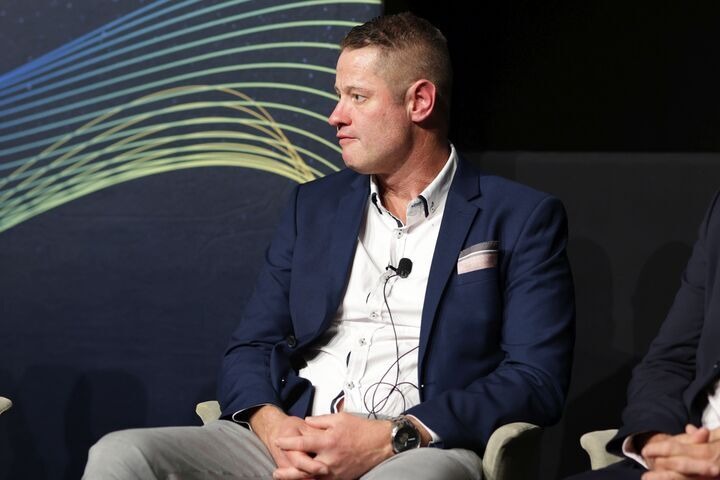
Nathan Rooney | Credits: Aspermont
Nathan Rooney | Credits: Aspermont
Nathan Rooney | Credits: Aspermont
Westgold Resources health and safety manager Nathan Rooney shared a handy anecdote.
He said mining was a risky industry and hand safety was a big issue, because sometimes miners put their hands in risky spaces.
That is not as a personal choice but rather because the system demanded it.
Rooney said a campaign around the actual risks that miners faced on site was welcomed by workers and helped reduce hand injuries on the site.
Westgold Resources health and safety manager Nathan Rooney shared a handy anecdote.
He said mining was a risky industry and hand safety was a big issue, because sometimes miners put their hands in risky spaces.
That is not as a personal choice but rather because the system demanded it.
Rooney said a campaign around the actual risks that miners faced on site was welcomed by workers and helped reduce hand injuries on the site.
Westgold Resources health and safety manager Nathan Rooney shared a handy anecdote.
He said mining was a risky industry and hand safety was a big issue, because sometimes miners put their hands in risky spaces.
That is not as a personal choice but rather because the system demanded it.
Rooney said a campaign around the actual risks that miners faced on site was welcomed by workers and helped reduce hand injuries on the site.
This insight is brought to you by Australia's Mining Monthly. Explore more mining industry news, trends and expert analysis at Australia's Mining Monthly
This insight is brought to you by Australia's Mining Monthly. Explore more mining industry news, trends and expert analysis at Australia's Mining Monthly
This insight is brought to you by Australia's Mining Monthly. Explore more mining industry news, trends and expert analysis at Australia's Mining Monthly
Terms and Conditions | Privacy Policy | Cookie Policy
Copyright © 2026 Aspermont Ltd. All rights reserved.
Address: Level 33, 152-158 St Georges Terrace, Perth WA 6000
ABN: 66 000 375 048
Terms and Conditions | Privacy Policy | Cookie Policy
Copyright © 2026 Aspermont Ltd. All rights reserved.
Address: Level 33, 152-158 St Georges Terrace, Perth WA 6000
ABN: 66 000 375 048
Terms and Conditions | Privacy Policy | Cookie Policy
Copyright © 2026 Aspermont Ltd. All rights reserved.
Address: Level 33, 152-158 St Georges Terrace, Perth WA 6000
ABN: 66 000 375 048