When it comes to FIFO safety, has enough been done?
When it comes to FIFO safety, has enough been done?
When it comes to FIFO safety, has enough been done?
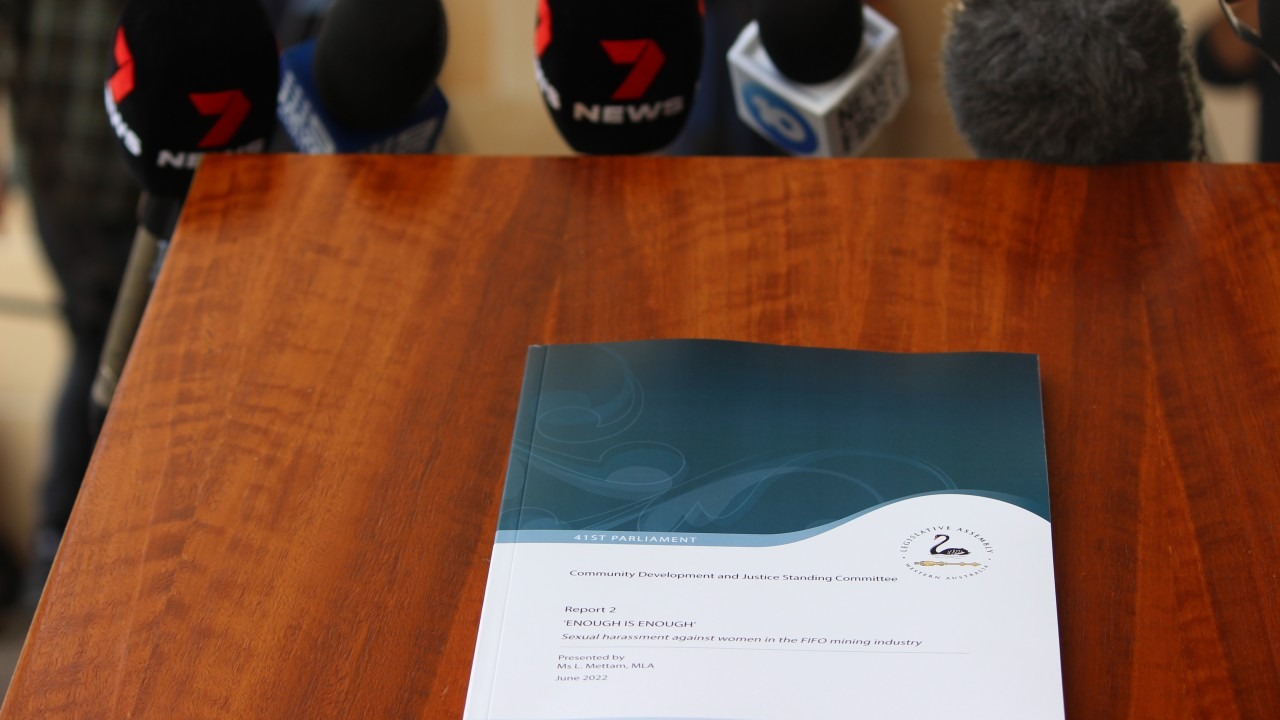
Four years after the Western Australian government handed down the Enough is Enough report into sexual harassment in the WA fly-in, fly-out industry has enough been done? Judging by the recent, perhaps not.
The Enough is Enough report followed an extensive parliamentary inquiry into the issue.
Midway through that review, Rio Tinto dropped a bombshell of its own with a review carried out by former sex discrimination commissioner Elizabeth Broderick AO finding disturbing signs in the company's culture.
That Broderick review was driven, in part by Rio Tinto's reflections on the institutional culture that led to the destruction of two 46,000 year old rock shelters in the Juukan Gorge in Western Australia's Pilbara.
It should be noted that Rio Tinto's first instinct following the Juukan disaster had been to defend its actions.
In the wake of the Enough is Enough report there were changes made.
The Work Health and Safety (General) Regulations 2022 and Work Health and Safety (Mines) Regulations 2022 came into effect. That legislation requires companies to address psychosocial hazards such as sexual harassment and other inappropriate behaviours in the workplace.
Security upgrades were made to mine accommodation security and stricter alcohol restrictions were introduced at mine sites.
However, one key problem, tracking the perpetrators of serious sexual harassment who simply find employment on a different site, is yet to be acted on.
WA industrial relations minister Simone McGurktold the recent summit that being a global leader in the mining industry came with a responsibility to ensure all workers were safe, respected and supported.
"Safe and respectful workplaces are a moral imperative and a business necessity, and today's summit is about equipping leaders with the tools and insights to turn commitment into action," she said.
"We have made strong progress, but the expectation now is that this work is embedded consistently across every site, every team and every part of the workforce."
McGurk warned that psychosocial safety was not a set and forget, it demanded continued focus, leadership and accountability to ensure standards were applied in practice.
Professor Sharon Parker said the first workplace policy and practice survey showed that when it came to safety compliance, about 88% of respondents said they actually followed and adhered to the safety procedures in their workplaces, however, when it came to mental health, many people in the sector reported high levels of burnout.
"So that was a sort of warning sign," Parker said.
"Those very extreme harassment behaviours were, thank goodness, quite rare, but the tip of the iceberg were these disrespectful sorts of behaviours, with statistics showing about 41% of women reported being put down or condescended to."
Parker said low-level harassment could be quite devasting effects, however, unfortunately that diminishment simply highlighted the prevalent attitude still found on-site.
"A lot has changed since the bad days of 2022-23," she said.
Are things on the ground actually shifting and changing?
Parker thinks so.
She said in 2025, the workplace policy and practice survey was repeated and between 50-60% of respondents said things had improved around mental health, wellbeing, respect and safety.
"In 2023 about 22% of respondents said their companies provided training to workers to manage their own mental health, and that jumped to 30% by 2025," Parker said.
"But there is scant evidence of increased uptake of any prevent harm or promote thriving policies and strategies, which shows where the investment has gone in the past few years."
Parker said the real litmus test would be when the survey was repeated, to see if policies and practices had affected the work experience.
"We'll look at who has changed, why have they have changed and what we can learn from the change," she said.
"Do we see a flowthrough to better experiences for their workforce that we don't see elsewhere?"
Karma Barndon and Noel Dyson
Four years after the Western Australian government handed down the Enough is Enough report into sexual harassment in the WA fly-in, fly-out industry has enough been done? Judging by the recent, perhaps not.
The Enough is Enough report followed an extensive parliamentary inquiry into the issue.
Midway through that review, Rio Tinto dropped a bombshell of its own with a review carried out by former sex discrimination commissioner Elizabeth Broderick AO finding disturbing signs in the company's culture.
That Broderick review was driven, in part by Rio Tinto's reflections on the institutional culture that led to the destruction of two 46,000 year old rock shelters in the Juukan Gorge in Western Australia's Pilbara.
It should be noted that Rio Tinto's first instinct following the Juukan disaster had been to defend its actions.
In the wake of the Enough is Enough report there were changes made.
The Work Health and Safety (General) Regulations 2022 and Work Health and Safety (Mines) Regulations 2022 came into effect. That legislation requires companies to address psychosocial hazards such as sexual harassment and other inappropriate behaviours in the workplace.
Security upgrades were made to mine accommodation security and stricter alcohol restrictions were introduced at mine sites.
However, one key problem, tracking the perpetrators of serious sexual harassment who simply find employment on a different site, is yet to be acted on.
WA industrial relations minister Simone McGurktold the recent summit that being a global leader in the mining industry came with a responsibility to ensure all workers were safe, respected and supported.
"Safe and respectful workplaces are a moral imperative and a business necessity, and today's summit is about equipping leaders with the tools and insights to turn commitment into action," she said.
"We have made strong progress, but the expectation now is that this work is embedded consistently across every site, every team and every part of the workforce."
McGurk warned that psychosocial safety was not a set and forget, it demanded continued focus, leadership and accountability to ensure standards were applied in practice.
Professor Sharon Parker said the first workplace policy and practice survey showed that when it came to safety compliance, about 88% of respondents said they actually followed and adhered to the safety procedures in their workplaces, however, when it came to mental health, many people in the sector reported high levels of burnout.
"So that was a sort of warning sign," Parker said.
"Those very extreme harassment behaviours were, thank goodness, quite rare, but the tip of the iceberg were these disrespectful sorts of behaviours, with statistics showing about 41% of women reported being put down or condescended to."
Parker said low-level harassment could be quite devasting effects, however, unfortunately that diminishment simply highlighted the prevalent attitude still found on-site.
"A lot has changed since the bad days of 2022-23," she said.
Are things on the ground actually shifting and changing?
Parker thinks so.
She said in 2025, the workplace policy and practice survey was repeated and between 50-60% of respondents said things had improved around mental health, wellbeing, respect and safety.
"In 2023 about 22% of respondents said their companies provided training to workers to manage their own mental health, and that jumped to 30% by 2025," Parker said.
"But there is scant evidence of increased uptake of any prevent harm or promote thriving policies and strategies, which shows where the investment has gone in the past few years."
Parker said the real litmus test would be when the survey was repeated, to see if policies and practices had affected the work experience.
"We'll look at who has changed, why have they have changed and what we can learn from the change," she said.
"Do we see a flowthrough to better experiences for their workforce that we don't see elsewhere?"
Karma Barndon and Noel Dyson
Four years after the Western Australian government handed down the Enough is Enough report into sexual harassment in the WA fly-in, fly-out industry has enough been done? Judging by the recent, perhaps not.
The Enough is Enough report followed an extensive parliamentary inquiry into the issue.
Midway through that review, Rio Tinto dropped a bombshell of its own with a review carried out by former sex discrimination commissioner Elizabeth Broderick AO finding disturbing signs in the company's culture.
That Broderick review was driven, in part by Rio Tinto's reflections on the institutional culture that led to the destruction of two 46,000 year old rock shelters in the Juukan Gorge in Western Australia's Pilbara.
It should be noted that Rio Tinto's first instinct following the Juukan disaster had been to defend its actions.
In the wake of the Enough is Enough report there were changes made.
The Work Health and Safety (General) Regulations 2022 and Work Health and Safety (Mines) Regulations 2022 came into effect. That legislation requires companies to address psychosocial hazards such as sexual harassment and other inappropriate behaviours in the workplace.
Security upgrades were made to mine accommodation security and stricter alcohol restrictions were introduced at mine sites.
However, one key problem, tracking the perpetrators of serious sexual harassment who simply find employment on a different site, is yet to be acted on.
WA industrial relations minister Simone McGurktold the recent summit that being a global leader in the mining industry came with a responsibility to ensure all workers were safe, respected and supported.
"Safe and respectful workplaces are a moral imperative and a business necessity, and today's summit is about equipping leaders with the tools and insights to turn commitment into action," she said.
"We have made strong progress, but the expectation now is that this work is embedded consistently across every site, every team and every part of the workforce."
McGurk warned that psychosocial safety was not a set and forget, it demanded continued focus, leadership and accountability to ensure standards were applied in practice.
Professor Sharon Parker said the first workplace policy and practice survey showed that when it came to safety compliance, about 88% of respondents said they actually followed and adhered to the safety procedures in their workplaces, however, when it came to mental health, many people in the sector reported high levels of burnout.
"So that was a sort of warning sign," Parker said.
"Those very extreme harassment behaviours were, thank goodness, quite rare, but the tip of the iceberg were these disrespectful sorts of behaviours, with statistics showing about 41% of women reported being put down or condescended to."
Parker said low-level harassment could be quite devasting effects, however, unfortunately that diminishment simply highlighted the prevalent attitude still found on-site.
"A lot has changed since the bad days of 2022-23," she said.
Are things on the ground actually shifting and changing?
Parker thinks so.
She said in 2025, the workplace policy and practice survey was repeated and between 50-60% of respondents said things had improved around mental health, wellbeing, respect and safety.
"In 2023 about 22% of respondents said their companies provided training to workers to manage their own mental health, and that jumped to 30% by 2025," Parker said.
"But there is scant evidence of increased uptake of any prevent harm or promote thriving policies and strategies, which shows where the investment has gone in the past few years."
Parker said the real litmus test would be when the survey was repeated, to see if policies and practices had affected the work experience.
"We'll look at who has changed, why have they have changed and what we can learn from the change," she said.
"Do we see a flowthrough to better experiences for their workforce that we don't see elsewhere?"
Karma Barndon and Noel Dyson
Terms and Conditions | Privacy Policy | Cookie Policy
Copyright © 2026 Aspermont Ltd. All rights reserved.
Address: Level 33, 152-158 St Georges Terrace, Perth WA 6000
ABN: 66 000 375 048
Terms and Conditions | Privacy Policy | Cookie Policy
Copyright © 2026 Aspermont Ltd. All rights reserved.
Address: Level 33, 152-158 St Georges Terrace, Perth WA 6000
ABN: 66 000 375 048
Terms and Conditions | Privacy Policy | Cookie Policy
Copyright © 2026 Aspermont Ltd. All rights reserved.
Address: Level 33, 152-158 St Georges Terrace, Perth WA 6000
ABN: 66 000 375 048